Know Your Numbers: The Health Metrics Every Woman Should Track
Most of us know our phone battery percentage better than our blood pressure — one of these numbers matters. ‘Know your numbers’ is the least glamorous health advice in existence and among the highest-yield: early detection lives in routine checkups. Here’s the shortlist and the ritual. (Educational — your doctor interprets.)

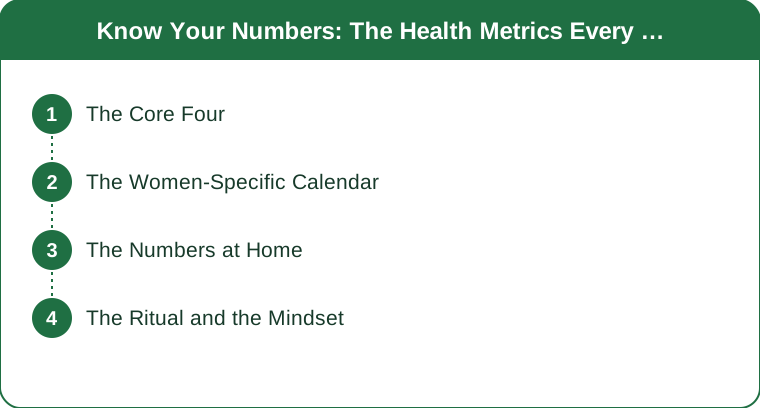
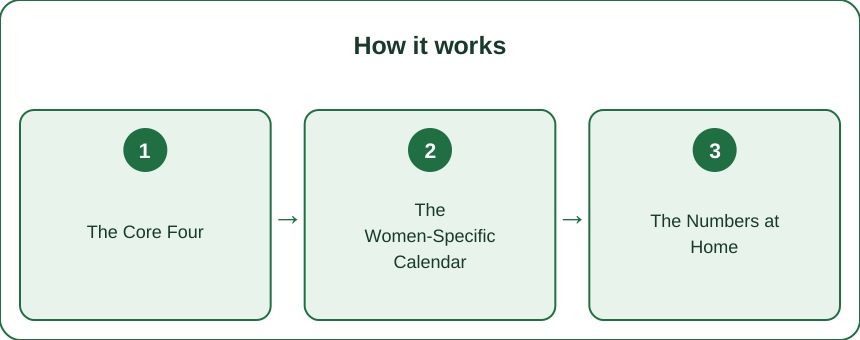
The Core Four
The write-these-down tier: blood pressure (the silent one — high readings often feel like nothing while doing damage; know your baseline), cholesterol panel (the heart-risk snapshot; women’s risk rises notably after menopause, making the trendline matter), blood sugar (fasting glucose or A1c — the early-warning system for the metabolic road), and resting heart rate (free, daily, and a surprisingly honest fitness-and-stress gauge your watch already tracks).
The Women-Specific Calendar
The screening rhythm (exact timing per your doctor and local guidelines): cervical screening on its multi-year cycle, breast screening from the age your guidelines specify, bone density around menopause (the skeleton’s quiet decade deserves a baseline), and thyroid testing when symptoms suggest it. The organizing trick: anchor them all to an annual ‘health admin day’ — birthday month works — so the calendar remembers what busy life forgets.

The Numbers at Home
The between-checkup layer: a home blood-pressure cuff (inexpensive, validated models exist; morning readings, seated, after five quiet minutes — bring the log to appointments, it’s genuinely useful data), weight TRENDS over daily noise (the weekly average tells the truth; the daily number tells a mood), and the wearable’s resting-heart-rate and sleep trends (direction matters more than any single night). Data beats vibes at the doctor’s office.
The Ritual and the Mindset
Making it stick: book next year’s checkup before leaving this year’s (the single best compliance hack in preventive health), keep a one-page personal record (your numbers, dates, family history — the five-minute document that upgrades every future appointment), and reframe the whole enterprise: checkups aren’t looking for bad news; they’re buying you the years where fixes are easy. The numbers are just your body’s dashboard — and nobody drives well with the dashboard covered.
Core four written down, screenings anchored to birthday month, next year booked before leaving. Knowing your numbers is boring exactly the way seatbelts are boring — cheap, quiet, and occasionally everything.
Keep Reading
This article is for general informational purposes only and is not medical advice. Always consult a qualified health professional for guidance specific to you.